Running a successful ecommerce business today requires more than an attractive website and great products. As online competition increases and customer expectations continue to rise, website performance, security, and uptime have become critical factors that directly affect revenue.
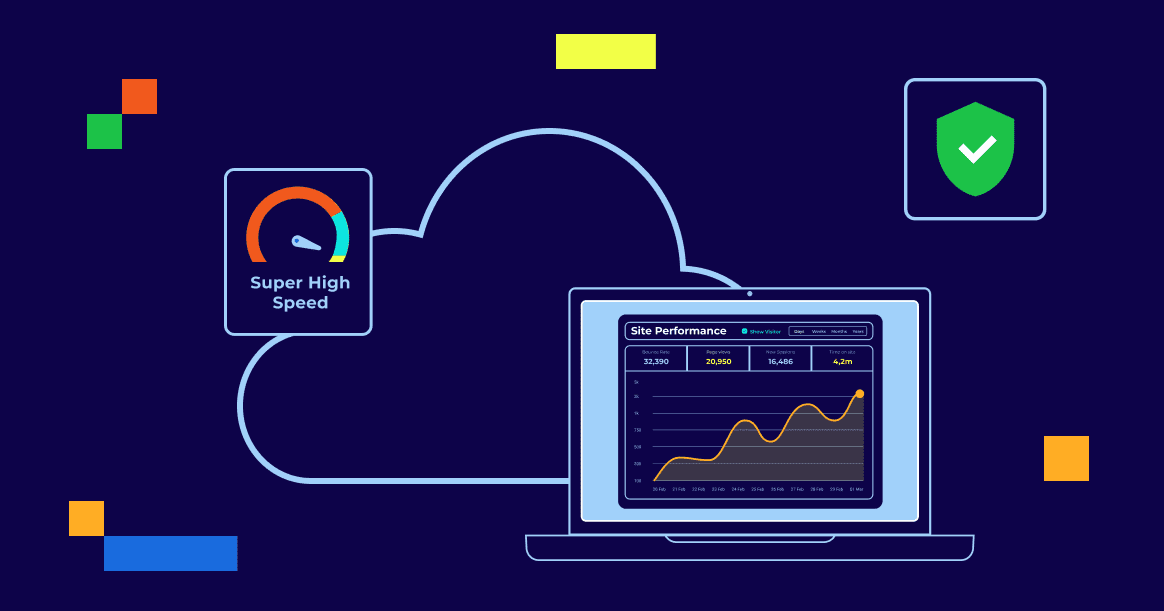
For businesses handling thousands—or even millions—of monthly visitors, choosing secure cloud hosting for ecommerce websites is no longer optional. It is an essential investment that protects customer data, ensures fast loading times, prevents costly downtime, and helps businesses scale during traffic spikes.
Whether you operate a small online store or a large enterprise marketplace, understanding how secure cloud hosting works can help you make smarter decisions and improve your ecommerce profitability.
Why Ecommerce Websites Need Secure Cloud Hosting
Traditional shared hosting environments often struggle when websites experience sudden traffic growth. Ecommerce stores face unique challenges because they handle:
- Customer personal information
- Payment transactions
- Product databases
- Order management systems
- Inventory synchronization
- Marketing automation tools
A single security breach can damage customer trust and result in significant financial losses.
Cloud hosting provides a modern infrastructure designed to handle these challenges while delivering exceptional reliability and security.
Key advantages include:
1. Enhanced Website Security
Cyberattacks against ecommerce websites continue to increase each year.
Common threats include:
- DDoS attacks
- Malware infections
- SQL injection attacks
- Credential theft
- Payment fraud
- Ransomware
Secure cloud hosting providers implement multiple layers of protection including:
- Advanced firewalls
- Intrusion detection systems
- SSL encryption
- Malware scanning
- Security monitoring
- Automatic patch management
These protections significantly reduce the risk of security incidents.
2. Superior Performance During Traffic Surges
Online stores frequently experience traffic spikes during:
- Black Friday
- Cyber Monday
- Holiday shopping seasons
- Product launches
- Flash sales
- Viral marketing campaigns
Cloud hosting automatically allocates additional resources when traffic increases.
This prevents:
- Slow page loading
- Website crashes
- Shopping cart failures
- Checkout abandonment
Fast websites improve customer experience and increase conversion rates.
3. Improved Reliability and Uptime
Every minute of downtime can cost an ecommerce business significant revenue.
Cloud hosting platforms use distributed server networks that reduce the risk of complete service outages.
Benefits include:
- Redundant infrastructure
- Automatic failover systems
- Real-time backups
- Geographic server distribution
- Continuous monitoring
Many premium providers offer uptime guarantees exceeding 99.99%.
What Is Cloud Hosting?
Cloud hosting uses multiple interconnected servers to host websites and applications.
Unlike traditional hosting, cloud hosting does not rely on a single physical server.
Instead, website resources are distributed across a network of servers.
Benefits include:
- High availability
- Better scalability
- Greater security
- Improved performance
- Reduced downtime
For ecommerce businesses, this means customers can shop without interruptions regardless of traffic volume.
Essential Security Features for Ecommerce Cloud Hosting
When selecting secure cloud hosting for ecommerce websites, look for the following security features.
SSL Certificates
SSL encryption protects data transmitted between customers and your website.
Benefits include:
- Secure payment processing
- Improved customer trust
- Better SEO rankings
- Compliance with security standards
Modern ecommerce websites should use HTTPS across all pages.
Web Application Firewall (WAF)
A WAF filters malicious traffic before it reaches your website.
It helps block:
- Bot attacks
- SQL injections
- Cross-site scripting attacks
- Malicious requests
A robust WAF is one of the most important layers of ecommerce security.
DDoS Protection
Distributed Denial of Service attacks can overwhelm servers and make websites unavailable.
Enterprise-grade cloud hosting includes:
- Traffic filtering
- Network monitoring
- Automated attack mitigation
- Global content delivery protection
This ensures business continuity during attack attempts.
Automated Backups
Backups protect against:
- Human error
- Software failures
- Security incidents
- Data corruption
Look for providers offering:
- Daily backups
- Hourly backups
- One-click restoration
- Off-site backup storage
Multi-Factor Authentication
MFA adds an extra security layer by requiring:
- Passwords
- Mobile verification
- Authentication applications
This significantly reduces unauthorized access risks.

Performance Features That Matter for Ecommerce
Security alone is not enough.
High-performance hosting directly affects sales.
Content Delivery Networks (CDN)
CDNs distribute website content across global servers.
Benefits include:
- Faster loading times
- Reduced latency
- Better international performance
- Enhanced security
Customers receive content from the nearest server location.
NVMe SSD Storage
Modern cloud hosting platforms use NVMe SSD technology.
Advantages include:
- Faster database queries
- Faster product page loading
- Improved checkout speed
- Better user experience
Website speed strongly influences conversion rates.
Server-Side Caching
Caching reduces server workload and accelerates page delivery.
Popular caching technologies include:
- Redis
- Memcached
- Varnish Cache
These technologies improve responsiveness even during heavy traffic.
How Secure Cloud Hosting Improves Ecommerce SEO
Search engines prioritize websites that offer:
- Fast loading speeds
- Secure connections
- High uptime
- Mobile optimization
Secure cloud hosting supports all of these ranking factors.
Faster Page Speeds
Google rewards websites that provide excellent user experiences.
Benefits include:
- Better rankings
- Lower bounce rates
- Increased conversions
- Higher customer satisfaction
Improved Core Web Vitals
Cloud infrastructure helps optimize:
- Largest Contentful Paint (LCP)
- Interaction to Next Paint (INP)
- Cumulative Layout Shift (CLS)
These metrics play a major role in modern SEO performance.
Reduced Downtime
Search engines may reduce rankings for websites that experience frequent outages.
Reliable cloud hosting helps maintain consistent availability.
Secure Cloud Hosting vs Shared Hosting
| Feature | Shared Hosting | Secure Cloud Hosting |
|---|---|---|
| Scalability | Limited | Excellent |
| Security | Basic | Advanced |
| Performance | Variable | High |
| Uptime | Moderate | Excellent |
| Traffic Handling | Limited | Automatic Scaling |
| Resource Allocation | Shared | Dedicated Resources |
| Backup Systems | Basic | Enterprise Grade |
| Ecommerce Suitability | Small Stores | All Store Sizes |
For serious ecommerce businesses, cloud hosting typically offers superior value despite higher initial costs.
Industries That Benefit Most
Many sectors rely heavily on secure cloud hosting.
Examples include:
Fashion Ecommerce
Fashion stores often experience seasonal traffic spikes.
Cloud hosting ensures:
- Fast browsing
- Reliable checkout
- Better customer experience
Electronics Retailers
Electronics websites frequently manage:
- Large product catalogs
- Product videos
- High-resolution images
Cloud hosting efficiently handles these resource-intensive requirements.
Health and Beauty Stores
These stores collect customer information and subscription data.
Strong security measures help maintain customer trust and regulatory compliance.
B2B Ecommerce
Business-to-business platforms often integrate:
- CRM systems
- ERP software
- Inventory management
- Supplier databases
Cloud infrastructure supports these complex operations.
Signs Your Ecommerce Store Needs Better Hosting
You may need an upgrade if you experience:
- Slow page loading
- Frequent downtime
- Security concerns
- Traffic-related crashes
- Poor checkout performance
- High bounce rates
- Limited scalability
Addressing these issues can dramatically improve business performance.
Cost Considerations
Pricing varies based on:
- Traffic volume
- Storage requirements
- Security features
- Bandwidth usage
- Support levels
Typical cloud hosting investments range from:
- Small stores: $20–$100/month
- Growing businesses: $100–$500/month
- Enterprise stores: $500–$5,000+/month
While costs may exceed shared hosting, the return on investment often comes from improved uptime, security, and sales performance.
Best Practices for Maximizing Security
Follow these recommendations:
Keep Software Updated
Regularly update:
- Ecommerce platforms
- Themes
- Plugins
- Extensions
Updates often contain critical security patches.
Use Strong Password Policies
Require:
- Complex passwords
- Password rotation
- MFA authentication
Monitor Activity Logs
Review:
- Login attempts
- User actions
- Administrative changes
Monitoring helps identify suspicious activity early.
Conduct Regular Security Audits
Periodic testing can uncover vulnerabilities before attackers exploit them.

Future Trends in Ecommerce Cloud Hosting
Several technologies are shaping the future:
AI-Powered Threat Detection
Artificial intelligence can identify unusual activity patterns and respond to threats in real time.
Zero Trust Security Models
Every access request is verified regardless of location or user role.
Edge Computing
Processing data closer to customers improves speed and user experience.
Advanced Automation
Automated resource scaling continues to improve infrastructure efficiency.
Frequently Asked Questions
What is secure cloud hosting for ecommerce websites?
It is a hosting solution that combines scalable cloud infrastructure with advanced security features designed specifically for online stores.
Is cloud hosting better than shared hosting?
For growing ecommerce businesses, cloud hosting generally provides better security, performance, scalability, and reliability.
Does cloud hosting improve SEO?
Yes. Faster loading speeds, improved uptime, and stronger security contribute to better search engine rankings.
How much cloud hosting do I need?
Requirements depend on visitor volume, product catalog size, and business growth expectations.
Is cloud hosting suitable for small ecommerce stores?
Yes. Many providers offer affordable entry-level plans that can scale as the business grows.
Final Thoughts
Choosing secure cloud hosting for ecommerce websites is one of the most important decisions an online business can make. Modern ecommerce stores require fast performance, advanced security, automatic scalability, and reliable uptime to remain competitive in today’s digital marketplace.
As cyber threats become more sophisticated and customer expectations continue to rise, investing in secure cloud infrastructure helps protect revenue, improve customer trust, enhance SEO performance, and support long-term business growth.
Businesses that prioritize secure cloud hosting today position themselves for greater success, higher conversion rates, and sustainable ecommerce growth in the years ahead.