Business Intelligence Tools for Financial Reporting: The Ultimate Guide
In today’s data-driven economy, organizations generate enormous amounts of financial data from accounting software, ERP systems, payment gateways, CRM platforms, and operational databases. Turning this raw information into meaningful financial reports is one of the biggest challenges facing modern businesses.
This is where business intelligence tools for financial reporting play a critical role. These solutions help organizations collect, analyze, visualize, and transform financial data into actionable insights that improve decision-making and business performance.
Whether you’re a CFO, finance manager, accountant, business owner, or financial analyst, implementing the right business intelligence (BI) solution can dramatically improve reporting accuracy, forecasting capabilities, and profitability.
This comprehensive guide explores everything you need to know about business intelligence tools for financial reporting, including features, benefits, implementation strategies, comparisons, and best practices.
What Are Business Intelligence Tools?
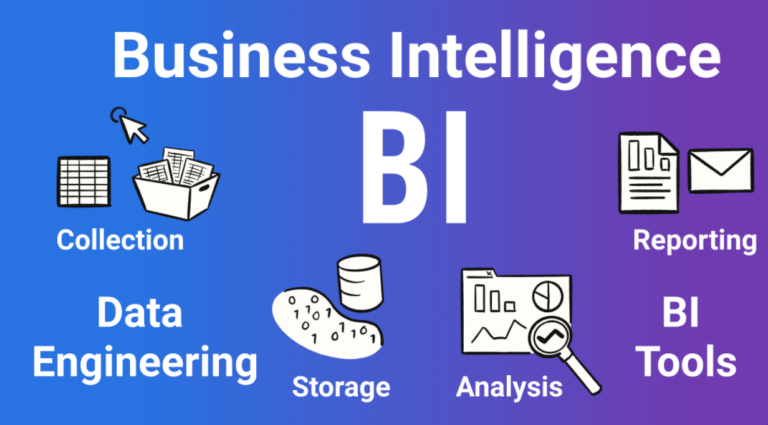
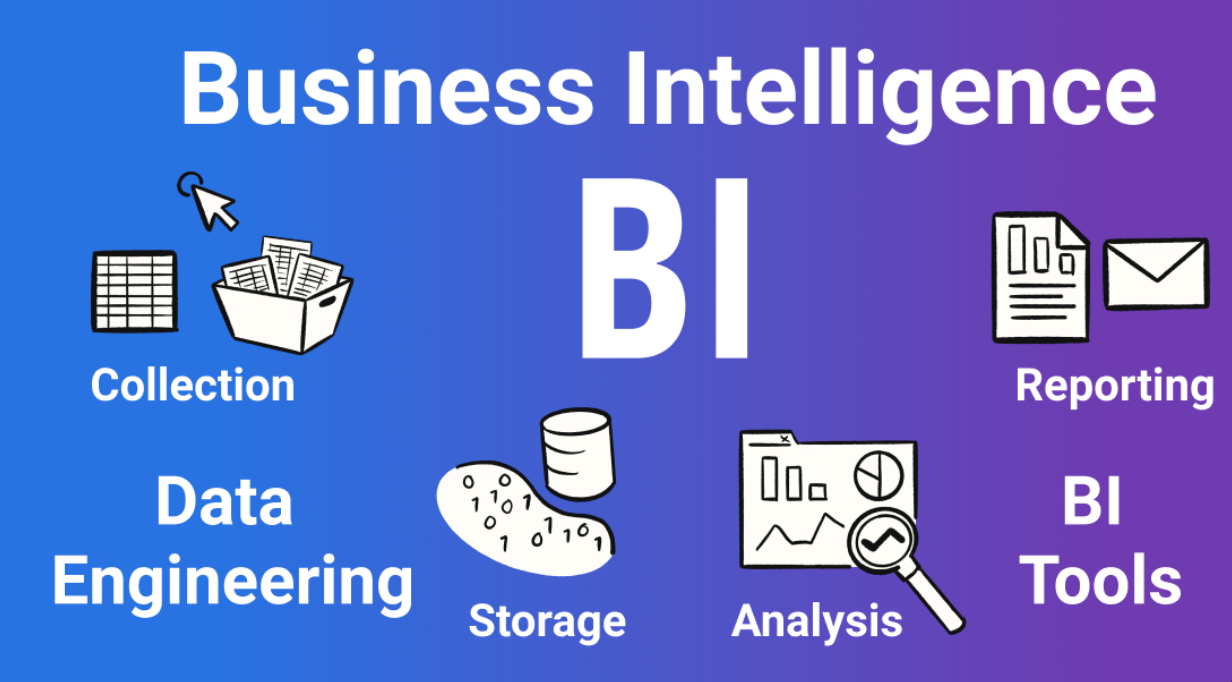
Business Intelligence (BI) tools are software platforms designed to collect, process, analyze, and visualize data from multiple sources.
Instead of manually compiling spreadsheets and reports, BI software automatically consolidates information into dashboards and reports that decision-makers can understand quickly.
Common BI capabilities include:
- Data integration
- Financial analytics
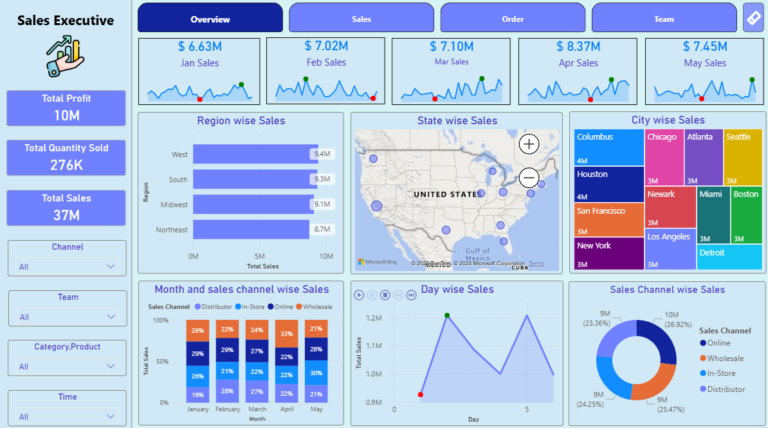
- Interactive dashboards
- KPI tracking
- Real-time reporting
- Predictive forecasting
- Data visualization
- Automated report generation
For finance teams, these tools provide a centralized view of financial performance while reducing reporting errors and manual workloads.
Why Financial Reporting Needs Business Intelligence
Traditional financial reporting often relies heavily on spreadsheets.
While spreadsheets remain useful, they present several limitations:
Data Silos
Financial information may exist across multiple systems, including:
- Accounting software
- ERP platforms
- Payroll systems
- CRM databases
- Banking applications
Combining this information manually is time-consuming.
Human Errors
Manual data entry increases the risk of:
- Formula mistakes
- Duplicate records
- Missing transactions
- Reporting inconsistencies
Slow Decision Making
By the time traditional reports are completed, opportunities may already be lost.
Limited Insights
Static reports often fail to reveal:
- Trends
- Patterns
- Risks
- Forecasting opportunities
Business intelligence solves these challenges by automating data collection and analysis.
Key Features of Business Intelligence Tools for Financial Reporting
When evaluating business intelligence tools for financial reporting, organizations should prioritize the following capabilities.
1. Data Integration
Modern BI platforms connect directly with:
- Accounting software
- ERP systems
- CRM solutions
- Payroll platforms
- Cloud databases
This creates a single source of truth.
2. Interactive Dashboards
Dashboards allow users to monitor:
- Revenue
- Expenses
- Cash flow
- Profit margins
- Accounts receivable
- Accounts payable
in real time.
3. Automated Reporting
Automation eliminates repetitive reporting tasks.
Reports can be scheduled daily, weekly, or monthly without manual intervention.
4. Financial Forecasting
Advanced analytics help predict:
- Revenue growth
- Budget performance
- Cash flow trends
- Future expenses
5. KPI Monitoring
Finance leaders can track critical indicators such as:
- EBITDA
- Gross profit margin
- Net profit
- Working capital
- Debt-to-equity ratio
6. Regulatory Compliance
BI software helps maintain compliance through:
- Audit trails
- Data validation
- Secure reporting
- Documentation tracking
Benefits of Using Business Intelligence Tools for Financial Reporting
Improved Accuracy
Automated data extraction reduces manual errors and increases report reliability.
Faster Reporting
Reports that once required days can now be generated within minutes.
Better Decision Making
Executives gain access to real-time financial insights for strategic planning.
Increased Productivity
Finance teams spend less time gathering data and more time analyzing performance.
Enhanced Visibility
Stakeholders can monitor financial health from a centralized dashboard.
Stronger Forecasting
Predictive analytics supports proactive financial planning.

Top Business Intelligence Tools for Financial Reporting
Several BI platforms dominate the financial reporting landscape.
Microsoft Power BI
Power BI is one of the most popular business intelligence platforms globally.
Advantages
- Affordable pricing
- Strong Microsoft integration
- Excellent visualization tools
- AI-powered insights
Best For
- Small businesses
- Mid-sized organizations
- Enterprises using Microsoft products
Tableau
Tableau is known for powerful visual analytics.
Advantages
- Interactive dashboards
- Advanced visualization
- User-friendly interface
- Large community support
Best For
- Financial analysts
- Data-driven organizations
Qlik Sense
Qlik Sense provides associative analytics that help uncover hidden relationships in data.
Advantages
- Fast performance
- AI-assisted analytics
- Self-service reporting
Best For
- Enterprises
- Financial planning departments
Looker
Looker offers cloud-native business intelligence capabilities.
Advantages
- Real-time analytics
- Strong cloud integration
- Scalable architecture
Best For
- Cloud-first organizations
SAP Analytics Cloud
SAP Analytics Cloud combines BI, planning, and predictive analytics.
Advantages
- Enterprise-grade features
- Advanced forecasting
- Strong SAP integration
Best For
- Large corporations
How Business Intelligence Improves Financial Reporting
Real-Time Revenue Tracking
Organizations can instantly monitor:
- Sales performance
- Revenue growth
- Product profitability
without waiting for monthly reports.
Automated Budget Analysis
BI software automatically compares:
- Budget targets
- Actual spending
- Variance analysis
This improves financial accountability.
Cash Flow Monitoring
Cash flow visibility helps organizations:
- Manage liquidity
- Avoid shortages
- Plan investments
more effectively.
Profitability Analysis
Businesses can analyze profitability by:
- Product
- Department
- Region
- Customer segment
This helps identify growth opportunities.
Financial KPIs Every BI Dashboard Should Include
A high-performing financial dashboard typically includes:
Revenue Growth
Measures business expansion over time.
Gross Profit Margin
Shows operational efficiency.
Net Profit Margin
Evaluates overall profitability.
Operating Expenses
Tracks spending trends.
Cash Flow
Monitors liquidity health.
Accounts Receivable Aging
Identifies overdue customer payments.
Return on Investment (ROI)
Measures investment effectiveness.
Working Capital
Evaluates short-term financial stability.
BI Implementation Strategy for Finance Teams
Step 1: Define Reporting Goals
Determine what information stakeholders need.
Examples include:
- Revenue reporting
- Budget tracking
- Forecasting
- Compliance monitoring
Step 2: Identify Data Sources
Catalog systems containing financial data.
Examples:
- QuickBooks
- SAP
- Oracle
- NetSuite
- Payroll software
Step 3: Clean Data
Poor data quality reduces reporting accuracy.
Data cleansing should include:
- Duplicate removal
- Standardization
- Validation
Step 4: Build Dashboards
Create dashboards tailored for:
- CFOs
- Executives
- Finance managers
- Investors
Step 5: Train Users
Successful adoption depends on user education and engagement.
Common Challenges in Financial Reporting
Organizations often encounter:
Data Quality Problems
Inconsistent records reduce confidence in reports.
Integration Difficulties
Legacy systems may require custom connectors.
User Adoption Issues
Employees may resist new technologies.
Security Concerns
Financial information requires strong access controls.

Future Trends in Business Intelligence for Financial Reporting
The future of financial reporting is increasingly driven by artificial intelligence.
Emerging trends include:
AI-Powered Forecasting
Machine learning models provide more accurate predictions.
Natural Language Queries
Users can ask questions in plain English and receive instant reports.
Example:
“What was net profit growth last quarter?”
Predictive Analytics
Finance teams can anticipate future risks and opportunities.
Embedded Analytics
BI insights appear directly within business applications.
Self-Service Reporting
Users create reports without technical expertise.
Comparing Traditional Reporting vs Business Intelligence
| Feature | Traditional Reporting | BI Reporting |
|---|---|---|
| Speed | Slow | Real-Time |
| Accuracy | Moderate | High |
| Automation | Low | High |
| Visualization | Basic | Advanced |
| Forecasting | Limited | Powerful |
| Scalability | Low | High |
| Decision Support | Moderate | Excellent |
Best Practices for Financial Reporting with BI
Standardize KPIs
Ensure everyone uses the same definitions.
Focus on Data Quality
Clean data produces accurate insights.
Automate Repetitive Processes
Reduce manual work whenever possible.
Monitor Security
Protect sensitive financial information.
Continuously Improve Dashboards
Refine reports based on user feedback.
Conclusion
The adoption of business intelligence tools for financial reporting has become essential for organizations seeking greater financial transparency, faster reporting cycles, and smarter decision-making.
By integrating data from multiple sources, automating reports, and delivering real-time analytics, BI solutions enable finance teams to move beyond basic reporting and become strategic business partners.
Whether you’re a small business owner or a CFO of a global enterprise, investing in modern business intelligence technology can improve financial accuracy, strengthen forecasting capabilities, and drive sustainable growth.
As artificial intelligence, predictive analytics, and cloud technologies continue to evolve, organizations that embrace business intelligence today will gain a significant competitive advantage tomorrow.
Frequently Asked Questions (FAQ)
What are business intelligence tools for financial reporting?
Business intelligence tools are software platforms that collect, analyze, visualize, and report financial data to support better business decisions.
Which BI tool is best for financial reporting?
Microsoft Power BI, Tableau, Qlik Sense, Looker, and SAP Analytics Cloud are among the leading solutions.
Can small businesses use business intelligence tools?
Yes. Many BI platforms offer affordable pricing and scalable features suitable for small businesses.
How does BI improve financial reporting?
BI improves reporting by automating data collection, reducing errors, enabling real-time analysis, and providing actionable insights.
Is business intelligence worth the investment?
For most organizations, BI delivers significant ROI through improved efficiency, faster decision-making, and enhanced financial visibility.