In the digital era, data has become one of the most valuable assets for organizations across the globe. Every interaction, transaction, and digital footprint contributes to an ever-growing pool of information. This massive volume of structured and unstructured data is commonly referred to as Big Data. As businesses and institutions increasingly rely on data-driven insights, Big Data is transforming industries in ways that were unimaginable just a decade ago.
From healthcare and finance to retail and manufacturing, Big Data is reshaping how decisions are made, how operations are optimized, and how customers are served. This article explores how Big Data is revolutionizing industries worldwide, the technologies driving this transformation, and what the future holds.
What Is Big Data?
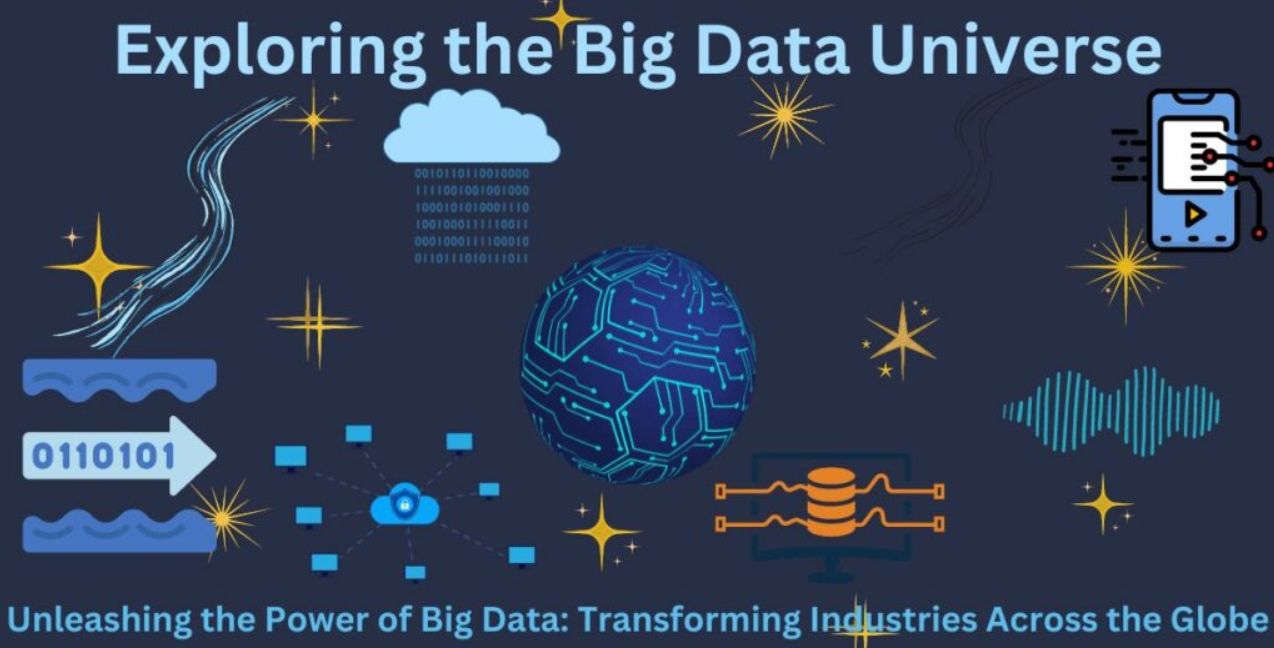
Big Data refers to extremely large datasets that cannot be processed using traditional data management tools. It is typically defined by the “3 Vs”:
- Volume – Massive amounts of data generated every second
- Velocity – The speed at which data is created and processed
- Variety – Different types of data (text, images, videos, etc.)
Today, experts often add two more dimensions:
- Veracity – Accuracy and reliability of data
- Value – The usefulness of data in decision-making
Technologies like Apache Hadoop and Apache Spark enable organizations to process and analyze Big Data efficiently.
The Role of Big Data in Modern Industries
Big Data is no longer just a technical concept—it is a strategic asset. Organizations leverage data analytics to:
- Improve decision-making
- Enhance customer experiences
- Optimize operations
- Identify new revenue opportunities
- Reduce risks
Let’s explore how different industries are being transformed.
1. Healthcare Industry
Data-Driven Patient Care
Big Data has revolutionized healthcare by enabling personalized medicine. Hospitals and clinics can analyze patient data to tailor treatments based on individual needs.
For example:
- Electronic health records (EHRs) provide comprehensive patient histories
- Predictive analytics can identify potential health risks early
Disease Prediction and Prevention
Big Data allows healthcare providers to detect patterns and predict outbreaks. During global crises like COVID-19, data analytics played a crucial role in tracking infections and allocating resources.
Operational Efficiency
Hospitals use Big Data to:
- Optimize staff scheduling
- Reduce patient wait times
- Manage inventory of medical supplies
2. Finance and Banking
Fraud Detection
Financial institutions use Big Data analytics to detect unusual patterns and prevent fraud in real time. Algorithms analyze millions of transactions to identify suspicious activities.
Risk Management
Banks assess credit risks more accurately using data from various sources, including:
- Transaction histories
- Social behavior
- Market trends
Companies like JPMorgan Chase and Goldman Sachs rely heavily on Big Data for financial modeling.
Algorithmic Trading
Big Data enables high-frequency trading by analyzing market data within milliseconds, helping investors make faster and more informed decisions.
3. Retail and E-Commerce
Personalized Shopping Experiences
Retailers use Big Data to understand customer preferences and deliver personalized recommendations. Platforms like Amazon and Alibaba Group analyze browsing and purchase history to suggest products.
Inventory Management
Big Data helps retailers:
- Predict demand
- Optimize stock levels
- Reduce waste
Customer Insights
Retailers analyze:
- Customer demographics
- Buying patterns
- Feedback and reviews
This leads to better marketing strategies and improved customer satisfaction.
4. Manufacturing Industry
Smart Manufacturing
Big Data is a key component of Industry 4.0, enabling smart factories. Sensors and IoT devices collect data from machines to monitor performance.
Predictive Maintenance
Instead of reacting to equipment failures, manufacturers can predict when machines will need maintenance, reducing downtime and costs.
Supply Chain Optimization
Big Data improves supply chain efficiency by:
- Tracking shipments in real time
- Predicting delays
- Optimizing logistics
Companies like General Electric use Big Data to enhance industrial operations.
5. Transportation and Logistics
Route Optimization
Logistics companies use Big Data to determine the most efficient routes, saving time and fuel.
Real-Time Tracking
With GPS and IoT data, companies can monitor shipments and vehicles in real time.
Autonomous Vehicles
Big Data plays a critical role in self-driving technology. Companies like Tesla collect vast amounts of driving data to improve autonomous systems.
6. Education Sector
Personalized Learning
Big Data allows educators to tailor learning experiences to individual students based on their performance and learning styles.
Performance Analytics
Schools and universities analyze student data to:
- Identify struggling students
- Improve curriculum design
- Enhance teaching methods
Online Learning Platforms
Platforms like Coursera and edX use data analytics to improve course recommendations and engagement.
7. Media and Entertainment
Content Recommendation
Streaming platforms such as Netflix and Spotify rely on Big Data to recommend content based on user preferences.
Audience Insights
Media companies analyze viewer behavior to:
- Create targeted content
- Optimize advertising strategies
Production Decisions
Data analytics helps producers understand what types of content are likely to succeed.
8. Agriculture Industry
Precision Farming
Farmers use Big Data to:
- Monitor soil conditions
- Track weather patterns
- Optimize irrigation
Crop Yield Prediction
Data analytics helps predict crop yields and improve agricultural planning.
Resource Optimization
Big Data enables efficient use of water, fertilizers, and pesticides, reducing environmental impact.
9. Energy and Utilities
Smart Grids
Big Data enables smart energy grids that:
- Monitor energy usage
- Optimize distribution
- Reduce outages
Renewable Energy Optimization
Data analytics helps improve the efficiency of renewable energy sources like solar and wind.
Predictive Maintenance
Energy companies use Big Data to monitor infrastructure and prevent failures.
10. Government and Public Sector
Smart Cities
Governments use Big Data to develop smart cities with improved:
- Traffic management
- Public safety
- Waste management
Policy Making
Data-driven insights help policymakers make informed decisions.
Crime Prevention
Law enforcement agencies use predictive analytics to identify high-risk areas and prevent crime.
Technologies Driving Big Data
Several technologies power Big Data transformation:
Cloud Computing
Platforms like Amazon Web Services and Microsoft Azure provide scalable storage and processing capabilities.
Artificial Intelligence and Machine Learning
AI and ML algorithms analyze large datasets to uncover patterns and insights.
Internet of Things (IoT)
IoT devices generate massive amounts of data from sensors and connected systems.
Data Visualization Tools
Tools like Tableau help organizations interpret complex data through visual dashboards.
Challenges of Big Data
Despite its benefits, Big Data comes with challenges:
Data Privacy and Security
Protecting sensitive data is a major concern. Regulations like GDPR emphasize data protection.
Data Quality
Inaccurate or incomplete data can lead to poor decision-making.
Integration Complexity
Combining data from multiple sources can be difficult.
High Costs
Implementing Big Data infrastructure requires significant investment.
Future Trends in Big Data
Real-Time Analytics
Organizations are moving toward real-time data processing for instant decision-making.
Edge Computing
Processing data closer to the source reduces latency and improves efficiency.
Data Democratization
More employees will have access to data, enabling better collaboration.
AI-Driven Insights
AI will play a bigger role in automating data analysis and generating insights.
Why Big Data Matters More Than Ever
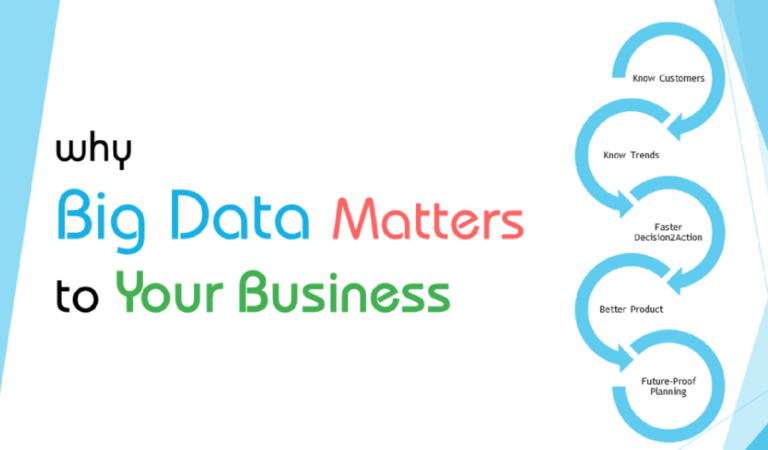
Big Data is not just about collecting information—it’s about turning data into actionable insights. Organizations that leverage Big Data effectively gain a competitive advantage by:
- Making faster decisions
- Understanding customers better
- Innovating continuously
In a world driven by digital transformation, data is the new currency.
Conclusion
Big Data is transforming industries worldwide by enabling smarter decisions, improving efficiency, and creating new opportunities. From healthcare and finance to agriculture and entertainment, the impact of Big Data is profound and far-reaching.
As technologies continue to evolve, the importance of Big Data will only grow. Organizations that embrace data-driven strategies will be better positioned to thrive in an increasingly competitive and digital world.
The future belongs to those who can harness the power of data—and that future is already here.
[hurrytimer id=”57″]